


England’s World Cup squad became public before Thomas Tuchel officially announced it, turning what should have been a carefully managed reveal into a day of leaks, speculation and confirmation. By late Thursday, the full 26-man list had effectively been pieced together by the media, with players also learning whether they had made the squad around the same time.
The story matters because it was not just about who was selected and who missed out. It also exposed how quickly major international football decisions can leak, and it raised questions about control, trust and discipline inside the England setup.
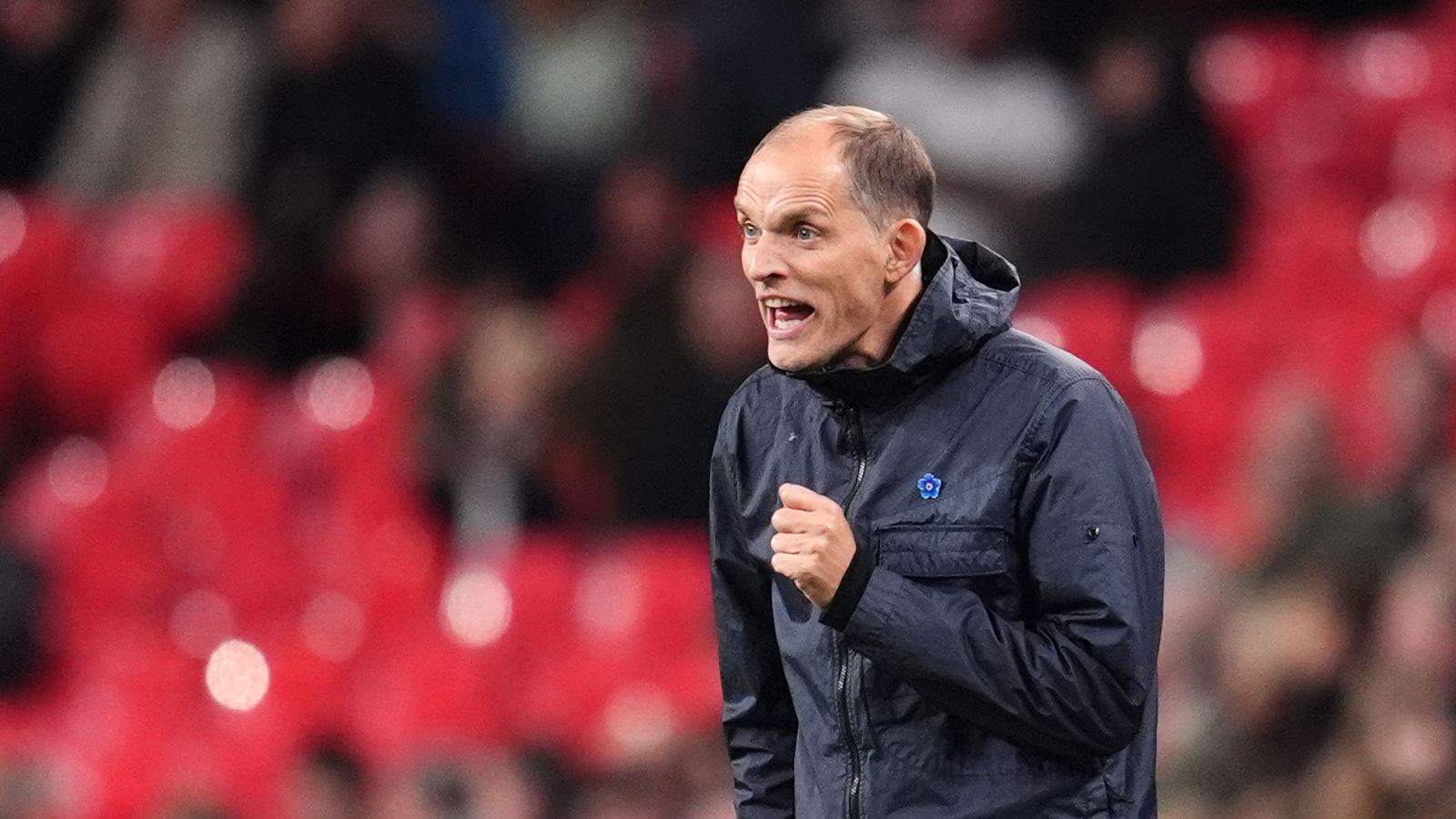
Tuchel’s response was telling. Rather than focus on reputation or individual talent alone, he stressed that he had chosen players he completely trusts and a group built around commitment, selflessness and team spirit. That message suggests he is trying to shape England into a squad defined more by collective responsibility than by ego.
The leaked squad also highlighted the tough choices behind the scenes. Reports before the announcement suggested that several high-profile players, including Phil Foden, Cole Palmer and Trent Alexander-Arnold, were expected to miss out, underlining how competitive the selection process was. In a tournament squad where every place is precious, the decisions were always going to generate strong reactions.
Why it matters
This story matters because World Cup squads are not just lists of names; they shape a nation’s hopes, influence player careers and define a manager’s credibility. England’s preparation is also under scrutiny because leaks can undermine the sense of authority a coach wants before a major tournament.
It affects players, fans, the Football Association and the wider England camp. For players left out, it can be a personal and professional setback, while for those included, it can change how they are perceived heading into the tournament.
Background context
Tuchel had already been working from a much larger provisional group before narrowing the squad to 26, which is standard for major tournaments. That process created natural uncertainty, especially with several big names competing for a limited number of places.
The leaks appear to have come at a point when decisions were being communicated to players, which made the situation more sensitive. That timing matters because it can affect how those omitted receive the news and how the team’s internal messaging is perceived externally.
What changed
Before the leaks, the squad announcement was expected to be a moment of suspense and official confirmation. After the leaks, the main question shifted from “who made it?” to “why did everyone already know?”.
That change matters because it reduces the impact of the announcement itself and can make the manager’s communication look less controlled. It also means the story becomes about England’s culture and information security, not just team selection.
Implications
In the short term, the leaks may create frustration for the FA and for Tuchel, who will want a disciplined camp ahead of the tournament. They may also intensify debate over the omitted stars and how England balances form, fitness and trust.
In the long term, the episode could strengthen Tuchel’s determination to build a tighter, more unified environment. It may also encourage the England setup to handle sensitive information more carefully in future tournament windows.
Real-world effects
For ordinary fans, the immediate effect is that the drama of selection was reduced, because the suspense was gone before the formal announcement. For players, especially those left out, the leak may have made an already difficult moment feel more public and more painful.
For broadcasters and newspapers, the leaks created a fast-moving news cycle that rewarded speculation and confirmation reporting. For the FA, it is a reminder that major squad announcements need stronger internal control if they are to stay official until the planned reveal.
Bigger picture
This fits a wider pattern in modern football, where major team news often leaks before it is announced, especially when squads are shared across large support staffs, agents and media networks. The difference here is that the leak arrived around a World Cup, where the stakes are much higher and every detail is magnified.
Tuchel’s language also suggests a deliberate cultural reset. By stressing selflessness over ego, he is signalling that England will be judged not only on talent, but on whether the squad functions as a united group. That is often the difference between a talented side and a successful tournament team.
Future outlook
The next focus will be on how this squad performs in camp and whether Tuchel’s selection calls are vindicated on the pitch. If England start well, the leaks will quickly fade into the background; if results go badly, the omitted names and the selection debate will return.
The pre-tournament training camp in Florida, where additional players such as Alex Scott, Rio Ngumoha and Josh King were confirmed to join, will also be important for rhythm and integration. That camp will show whether Tuchel’s emphasis on unity translates into a strong competitive group.
