


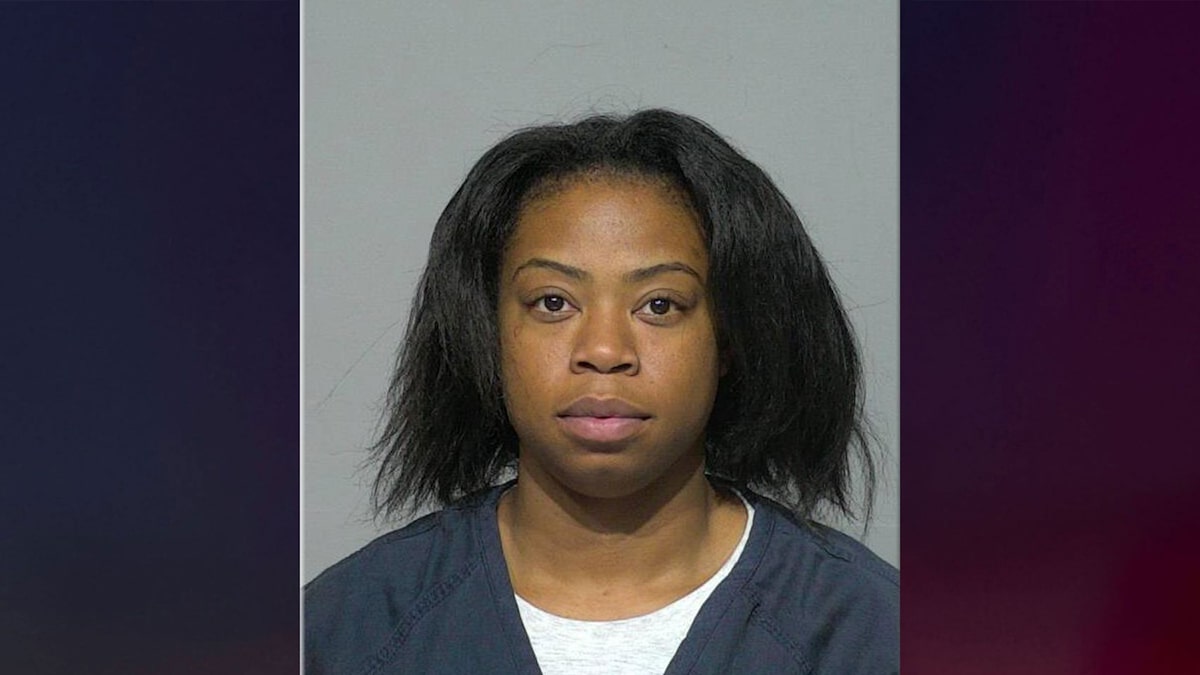
A tiny bottle, a routine feeding, and a fatal toxicology result give this Milwaukee case its grim shape. What started as a 911 call about a baby not breathing has turned into a criminal complaint that raises uncomfortable questions about neglect, drug exposure, and how investigators piece together responsibility when infants are involved.
Tashae Goodman, 31, has been charged with first-degree reckless homicide and chronic child neglect after the death of her 3-month-old child. According to the complaint, Goodman called 911 on March 22 and said she had fallen asleep on the baby, who was then found not breathing. The baby was later pronounced dead, and the case quickly moved from an emergency response to a homicide investigation.
What makes the case especially disturbing is the detail that emerged later. Authorities reportedly tested the baby’s bottle and found fentanyl residue, while toxicology showed fentanyl and morphine in the child’s bloodstream. The complaint says an autopsy initially found no signs of illness, injury, or trauma, which pushed investigators toward a drug-related explanation and gave the bottle a central role in the case.
That detail changes the story from a tragic death into a wider public-health and criminal-justice problem. Fentanyl cases involving children are no longer rare enough to be shocking in a general sense, but they still force prosecutors to prove a very specific chain of events — who handled the bottle, who knew what was in the home, and whether the death was the result of reckless conduct or a broader pattern of neglect. Those distinctions matter because they shape not only the charge but also how the public reads the case.
Investigators also appear to have built part of the case around Goodman’s own statements. She allegedly told police that the drugs in the baby’s system came from her drug use during pregnancy and that residue in the bottle was caused by a dirty home, not intentional contamination. That defense may be meant to separate exposure from intent, but in cases like this the legal question often turns on whether a parent’s actions created an obvious and avoidable risk, even if they did not mean to cause death.
The involvement of Goodman’s 10-year-old son adds another layer. According to the complaint, he told investigators that his mother was often under the influence of drugs, and records cited by reporters say she received Narcan on May 12 after allegedly overdosing and then missed picking him up from school. Those details suggest this was not being treated by police as a single isolated incident, but as part of a broader pattern of instability inside the home.
Milwaukee’s case also fits a pattern seen in other fentanyl-related child death prosecutions around the country, where prosecutors have charged parents or caregivers with homicide, manslaughter, or neglect depending on the facts and local law. The legal system tends to move differently in cases involving infants because there is no room for the usual ambiguity about vulnerability; if a baby is exposed to opioids, the stakes are immediate and devastating.
There is a public-policy tension underneath all of this. On one side is the reality of addiction, which often complicates parenting, investigations, and courtroom narratives. On the other is the blunt fact that infants cannot protect themselves, making drug exposure in a baby’s environment one of the clearest forms of endangerment prosecutors can present. That tension is why these cases draw strong reactions even before a trial begins.
Goodman is being held on $250,000 cash bond, and a preliminary hearing is scheduled for May 28, according to the reporting. For now, the case sits in the uneasy space between allegation and proof, but the details already point to a prosecution that will center on how fentanyl got into the baby’s bottle, what the mother knew, and whether the child’s death was the foreseeable result of a home that had already become unsafe.
