


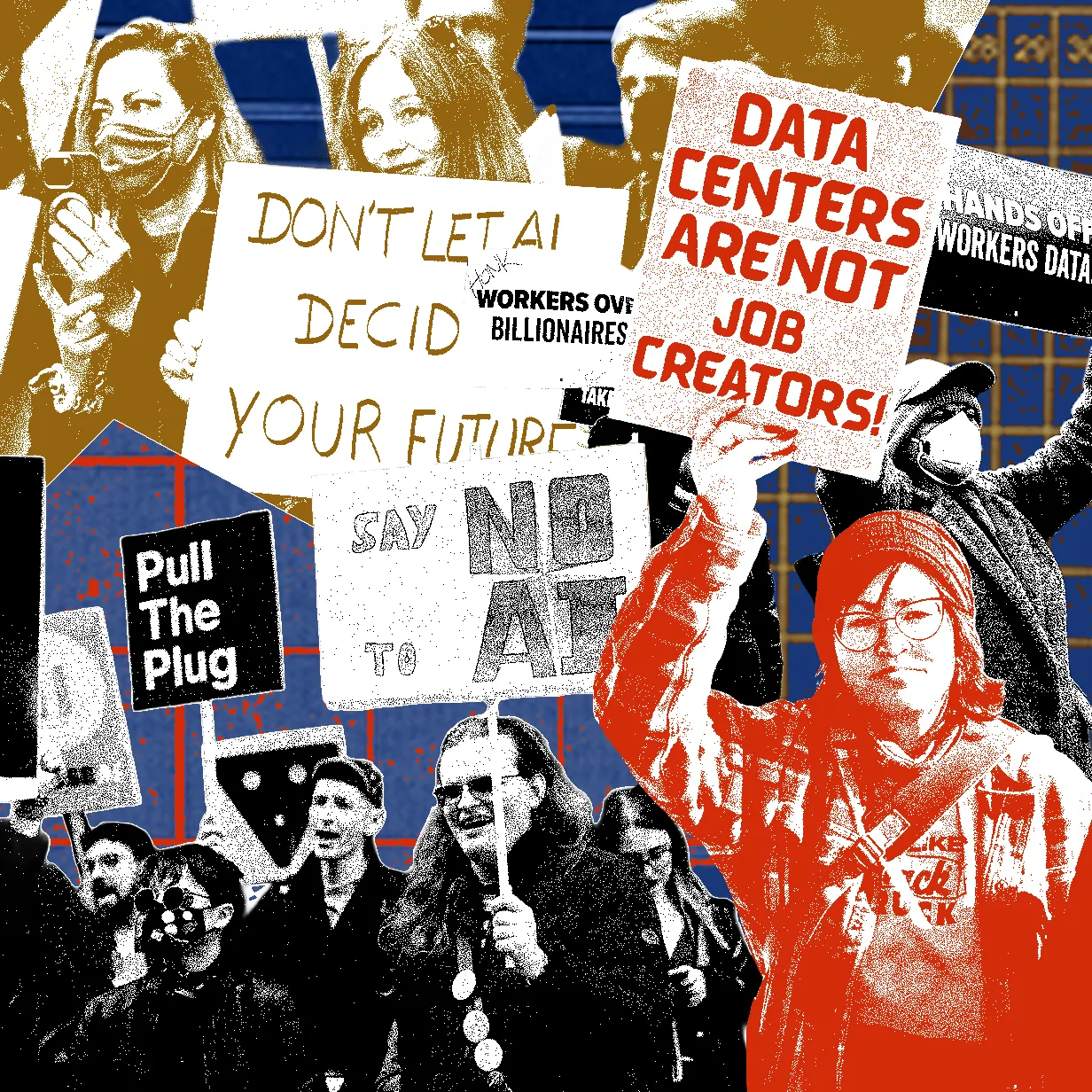
U.S. law enforcement agencies are beginning to treat anti‑technology extremism as a distinct threat, not just another angle of domestic radicalization. The shift is subtle but visible in recent briefings: investigators are now flagging violence aimed at data centers, power grids, 5G infrastructure and AI facilities as a coherent pattern rather than a random set of incidents.
That framing matters because it changes how the threat is categorized. Unlike traditional extremist movements that are defined by ideology, ethnicity, or political goals alone, anti‑tech extremism is defined by what it opposes: the machine itself. The belief is that technology is an immutable system that cannot be reformed, only dismantled. That conviction can bridge normally separate corners of the political spectrum, drawing in far‑left anarchists, eco‑terrorists and some far‑right actors who see digital infrastructure as the engine of a system they want to collapse.
The pace of change is part of the problem. AI investment is surging, job markets are being reshaped, and the physical footprint of the digital economy is expanding faster than communities can absorb it. In that environment, data centers have become symbolic targets, representing not just power but also the concentration of economic and political control. Analysts have warned that extremists may try to “accelerate” collapse by attacking key nodes in the technological network, believing that disruption will force a broader breakdown.
Law enforcement’s response is still evolving. The warning does not yet signal a wave of imminent attacks, but rather an effort to recognize an emerging driver of political violence before it matures into a more organized threat. Intelligence agencies are looking for patterns in planning, communications and online rhetoric, trying to identify whether these groups are moving from theory to operational preparation.
There is tension built into this development. On one side, security services are trying to prevent violence without turning legitimate criticism of technology into a criminalized form of dissent. On the other, the threat is real: infrastructure attacks can cause physical damage, economic disruption and public harm that go far beyond the ideological message. The challenge is to distinguish between protest, satire or commentary and actual preparation for sabotage.
The geopolitical context matters too. Countries around the world are pouring money into AI, cloud computing and semiconductor capacity, treating technology as a strategic asset. In that climate, anti‑tech extremism is not just a domestic U.S. issue; it is part of a global conversation about how societies absorb rapid technological change. Other governments are watching these developments closely, knowing that attacks on AI data centers or energy infrastructure could become a template for copycat actors.
What investigators are watching most closely is the fix between ideology and action. Verbal opposition to technology is not a crime, nor is theoretical activism. But once planning begins—scouting sites, gathering materials, testing vulnerabilities—the line shifts from ideology to pink‑slip terrorism. That is where law enforcement is concentrating its attention, trying to catch the signal before it becomes an attack.
There is also a social dimension. The spread of anti‑tech narratives online can amplify frustration among people who feel left behind by digital transformation, automation and algorithmic control. In some cases, that frustration is legitimate; in others, it is channeled into a worldview that treats technology as an enemy rather than a tool. That distortion can make de‑radicalization harder, because the perceived enemy is not a person or party but the entire infrastructure of modern life.
For now, the warning remains a pre‑emptive piece of analysis rather than a description of an active campaign. But the fact that law enforcement is naming anti‑tech extremism as its own category suggests that the threat is becoming visible enough to warrant its own playbook. The question is whether the response will stay focused on prevention and intelligence, or whether it will expand into broader surveillance of groups that simply oppose or criticize technology.
