

The political bargain
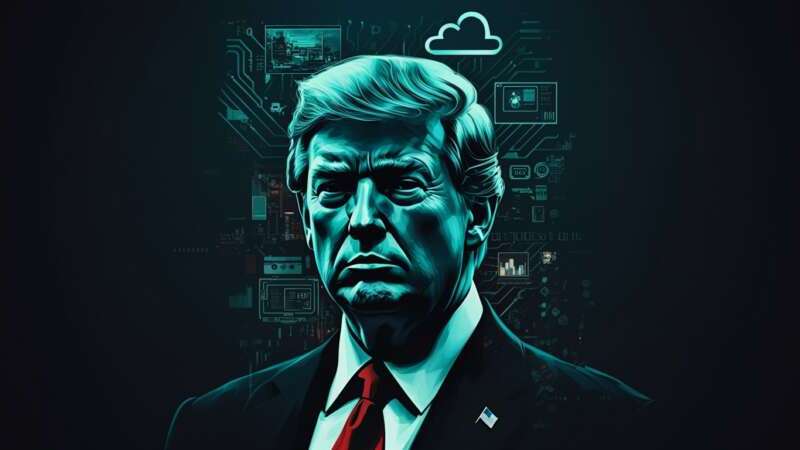
Trump’s AI stance is turning into a deal-making problem, not just a policy one. Tech billionaires want him to ease off on tougher rules, while parts of MAGA are increasingly open to some form of regulation because AI also threatens jobs, media trust, and political control.
That split is what makes the story interesting. The usual “big tech versus conservatives” script does not quite fit anymore, because both sides can find reasons to support a lighter or tighter approach depending on what they fear most.
Who wants what
The tech side wants speed, freedom, and fewer federal barriers. In plain English, they want to keep building AI products without having to slow down for a lot of paperwork or restrictions.
The MAGA side is more complicated. Some allies of Trump dislike Silicon Valley power, worry about AI-generated misinformation, and think Washington should protect workers and families from the fallout. So while they may not love regulation in general, they may still support it here if it looks like a way to rein in a technology they do not trust.
The pressure points
AI is not a niche issue anymore. It affects search, hiring, advertising, writing, fraud detection, video generation, and political messaging, which means any federal decision can ripple across the economy very quickly.
If Trump softens or drops a tougher executive order, the immediate winner is likely to be big AI companies and the investors backing them. If he keeps a harder line, the winners may be politicians and critics who want a slower rollout and more guardrails.
Why the split matters
This is not just about one executive order. It is about who gets to set the tone for AI in the U.S. at a time when the technology is moving faster than the law.
A softer approach could help companies move faster and keep the U.S. competitive. But it could also leave the public more exposed to deepfakes, data misuse, job disruption, and AI errors that are hard to undo once they spread.
The policy trap
The real problem is that both sides have a point.
Tech leaders are right that overregulation can choke innovation, especially for smaller firms that cannot handle complex compliance rules. But critics are also right that waiting too long can create a mess that is much harder to fix later.
That is why AI policy keeps getting pulled in two directions: one side wants momentum, the other wants control.
What it means in practice
For consumers, the impact could show up in the products they use every day. Stricter rules might mean slower launches and more safeguards. Looser rules might mean faster innovation, but also more mistakes, more spammy content, and more AI-generated junk online.
For workers, the concern is automation. For creators, it is copyright and imitation. For voters, it is trust. Those are very different fears, but they all land in the same political fight.
The bigger picture
The unusual part of this story is that it exposes a break inside the right, not just a clash between politics and tech. Some conservatives may prefer regulation if they think it protects them from AI harms, while Silicon Valley wants the opposite because speed is how it wins.
That means Trump is not simply choosing between “pro-business” and “pro-regulation.” He is choosing which kind of risk he wants to anger first: the risk of slowing innovation, or the risk of letting AI spread before the rules are ready.
