


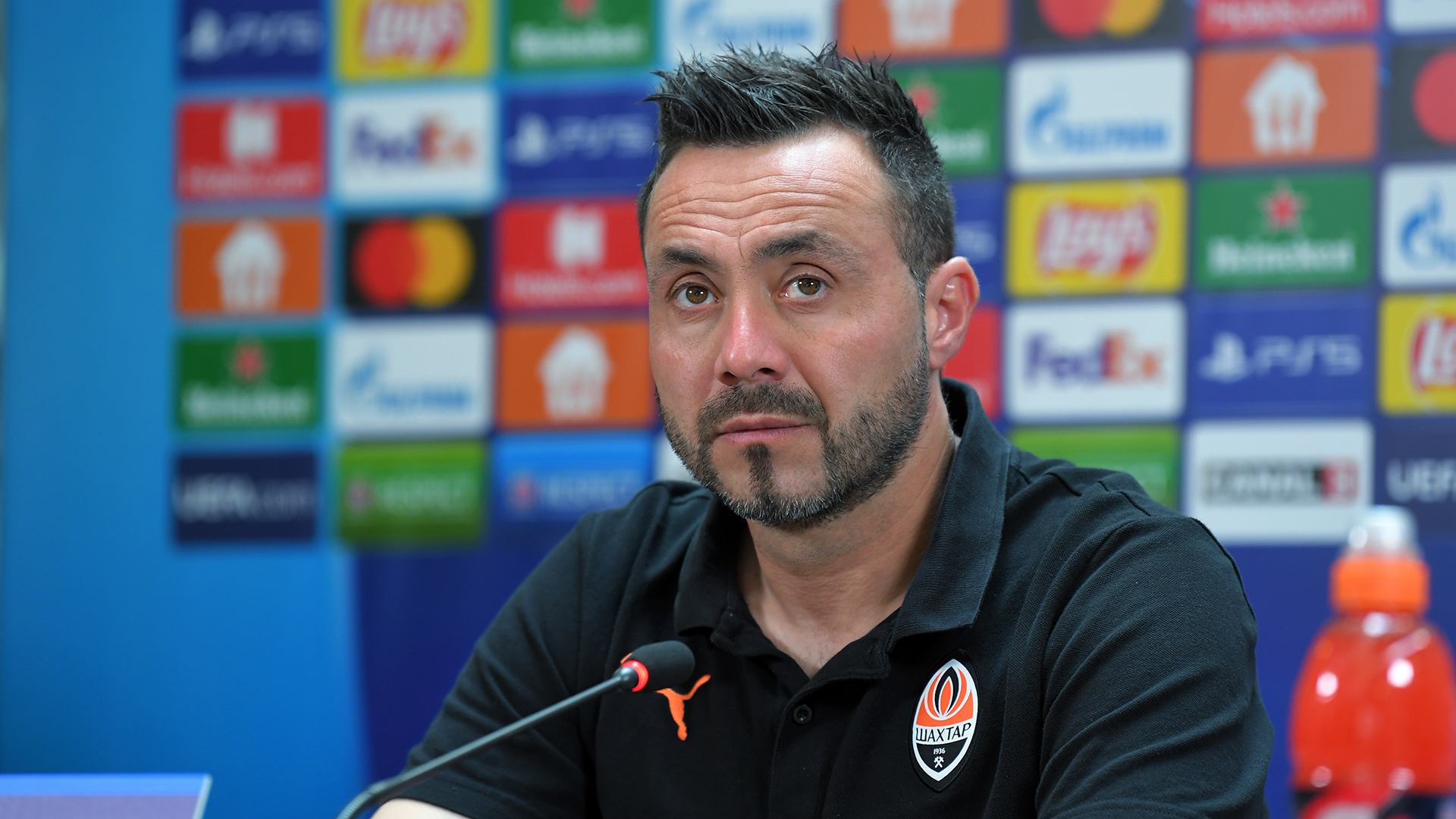
The early signs at Tottenham suggest a manager trying to impose order on a squad that still looks unfinished. Roberto De Zerbi has only just arrived, but the transfer chatter already points to a summer where the club’s decisions will say as much about its identity as its results do.
One of the clearest names in the frame is João Palhinha, with reports indicating De Zerbi wants Tottenham to make his loan move from Bayern Munich permanent. That is a revealing starting point. Palhinha is not the sort of flashy signing that dominates headlines; he is the kind of player coaches push for when they want control, structure and a little more resistance in midfield. Spurs have the option to buy him for around £26 million, and that figure is small enough to make the move look practical, but large enough to show the club is willing to commit to a specific idea of how it wants to play.
That matters because Tottenham’s recent history has often swung between broad rebuilds and tactical improvisation. De Zerbi’s arrival changes the tone. A coach with a clear footballing identity usually does not ask for random additions. He asks for pieces that fit. Palhinha fits that logic almost too neatly: a player who can protect the back line, stabilize transitions and let more creative players take risks farther up the pitch. In a team that has spent too much time looking vulnerable when possession breaks down, that kind of profile is not a luxury.
The more interesting layer is that this may only be the beginning. Reports have also linked Spurs with Brighton defender Jan Paul van Hecke, a player De Zerbi knows well from his time at the south coast club. That connection is the sort of transfer link that usually gets treated with caution, but it does feel structurally believable. If a manager has already seen how a player responds to his methods, the recruitment case becomes less speculative and more about whether Tottenham are prepared to pay the market price, which is said to be around £50 million. In modern football, familiarity is often the hidden currency.
What stands out is the direction of travel. These are not purely speculative “big-name” targets designed to excite supporters for a week. They point to a squad being shaped around trust, repetition and tactical fit. That can be a sensible way to build, but it also narrows the margin for error. If De Zerbi is leaning on players he knows, the pressure rises on those signings to deliver quickly. There is less room for long adjustment periods when the club is trying to reset around a new manager and a fanbase that has grown used to uncertainty.
Spurs’ wider transfer list is also becoming part of the story, whether the club likes it or not. Reports have suggested several players could be moved on, which is usually a sign that a new coach wants to clear space as much as add quality. That kind of reset can sharpen a squad, but it can also expose how much dead weight has built up. Every departure becomes a clue about what the manager no longer believes in.
There is a tension in all this. Tottenham supporters want decisive action, but decisive action in football is expensive, and expensive action can lock a club into a plan before the evidence is in. If Palhinha arrives permanently, and if De Zerbi pushes for a familiar defender like van Hecke, the club is effectively betting that a more coherent system will do what patchwork recruitment has often failed to do. That is a defensible bet. It is also the sort of bet that looks very different by October if the team is still chasing structure rather than showing it.
For now, the transfer list feels like the first real sign of how De Zerbi intends to work. Not by talking about revolution, but by selecting players who make the game easier to control. Tottenham have spent enough time in recent seasons trying to solve problems after they appear. This looks more like an attempt to prevent them from forming in the first place.
