


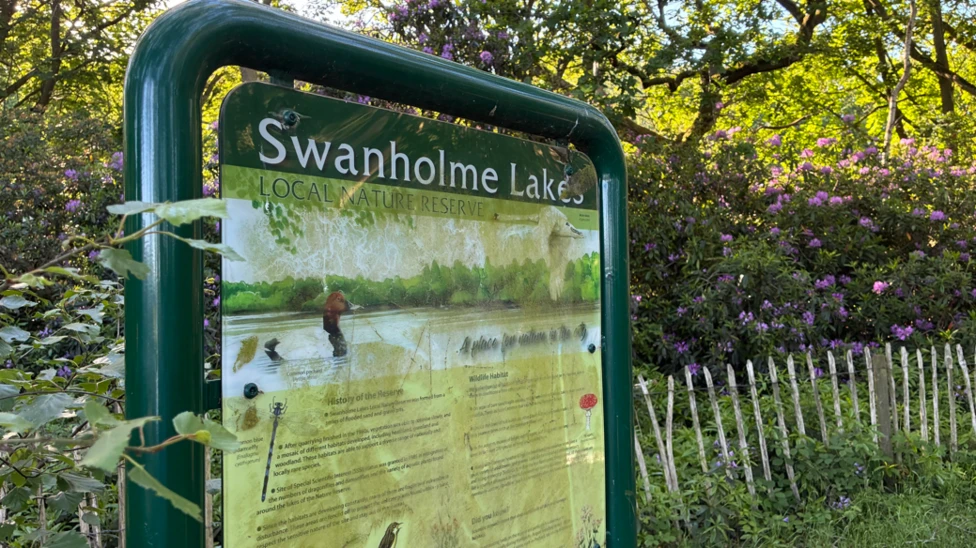
What should have been an ordinary May afternoon at Swanholme Lakes in Lincoln ended in tragedy after a 15-year-old boy went missing in the water and was later found dead. The case is painful not only because of the loss itself, but because it happened in a place many people would normally associate with nature, walking and quiet scenery rather than danger.
That contrast is what makes the story resonate. Open water can look calm, especially on a warm day, but lakes and nature reserves can become hazardous very quickly. In this case, police were called after reports that the boy was struggling in the water, and a search operation followed.
What happened at Swanholme Lakes
Emergency services were called to Swanholme Lakes around 2:30 pm BST on Sunday after reports of a boy in difficulty in the water. Police later confirmed that an underwater recovery team had searched the lakes and found the boy’s body.
Later reports named the teenager as Declan Sawyer, with police asking the public not to speculate while the family was being supported. That request is common in cases like this, because inaccurate information can cause extra distress for relatives and friends.
Why this story matters
This is more than a local tragedy. It is a reminder that open water safety is a real issue in public places that may not look dangerous at first glance. A lake, reserve or wildlife area can still be extremely risky, especially when people enter the water without knowing what is beneath the surface.
It also matters because warm weather often changes behaviour. On one of the UK’s warmest May days in years, more people were outside and more likely to be near water, which can increase the chance of accidents. That makes this story part of a wider seasonal safety pattern, not just an isolated incident.
The hidden risks of open water
Unlike swimming pools, natural water is unpredictable. Temperatures can be colder than expected, depths can change suddenly, and weeds or submerged debris can make it hard for someone to get back to shore.
That is why places like Swanholme Lakes are often designated for wildlife rather than swimming. The danger is not always obvious to the public, but authorities treat these waters as hazardous for a reason.
Community impact
Incidents like this hit communities hard because they involve a young person and a public place that many residents will know well. People who live nearby may begin to see the reserve differently, at least for a while, and parents may become more cautious about where their children go on hot days.
There is also an emotional ripple effect. Friends, classmates and neighbours are left dealing with shock, while emergency crews and police officers must carry out a difficult operation in full public view. In tragic cases like this, grief often spreads far beyond the family.
What officials are likely to focus on next
The immediate priority is support for the family and the formal process that follows a death of this kind. Authorities may also look again at safety messaging around the lake, especially if people frequently enter the area despite warnings.
Public messaging is important because many accidents are preventable. Clear signs, fencing, warnings and education can help, but they only work if people understand that natural water is not the same as a supervised swimming area.
Simple explanation
Underwater recovery team means specialist emergency responders trained to search submerged areas and recover bodies or objects.
Site of Special Scientific Interest means a legally recognised area protected for its wildlife, habitat or geology.
Nature reserve means land or water set aside to protect nature, though the public may still be allowed to visit.
What readers should remember
The key fact is that a 15-year-old boy went missing at Swanholme Lakes and was later found dead after a police search. The bigger lesson is that open water can be dangerous even when it looks peaceful, and warm weather often brings more people close to that risk.
